Health Services
Youth friendly care near you
Health Services
Contact Us - 011 5 677 677

Adolescent &
Youth Health
If you call yourself a teenager, adolescent, young adult or youth, and if you are looking for information on health-related issues that could concern you, then you have come to the right place!
Read more

If you call yourself a teenager, adolescent, young adult or youth, and if you are looking for information on health-related issues that could concern you, then you have come to the right place!
This is a venture by the Family Health Bureau of Sri Lanka in collaboration with several medical consultants and experts in adolescent health. The project came to life in order to reach out to you and give you trustworthy, reliable information about the day-to-day problems you face.
Read more
Yowun Piyasa (Youth Hub) is for you to get to know about your body, health and relationships.
Managing Stress
Managing StressImportance of Good Sleep
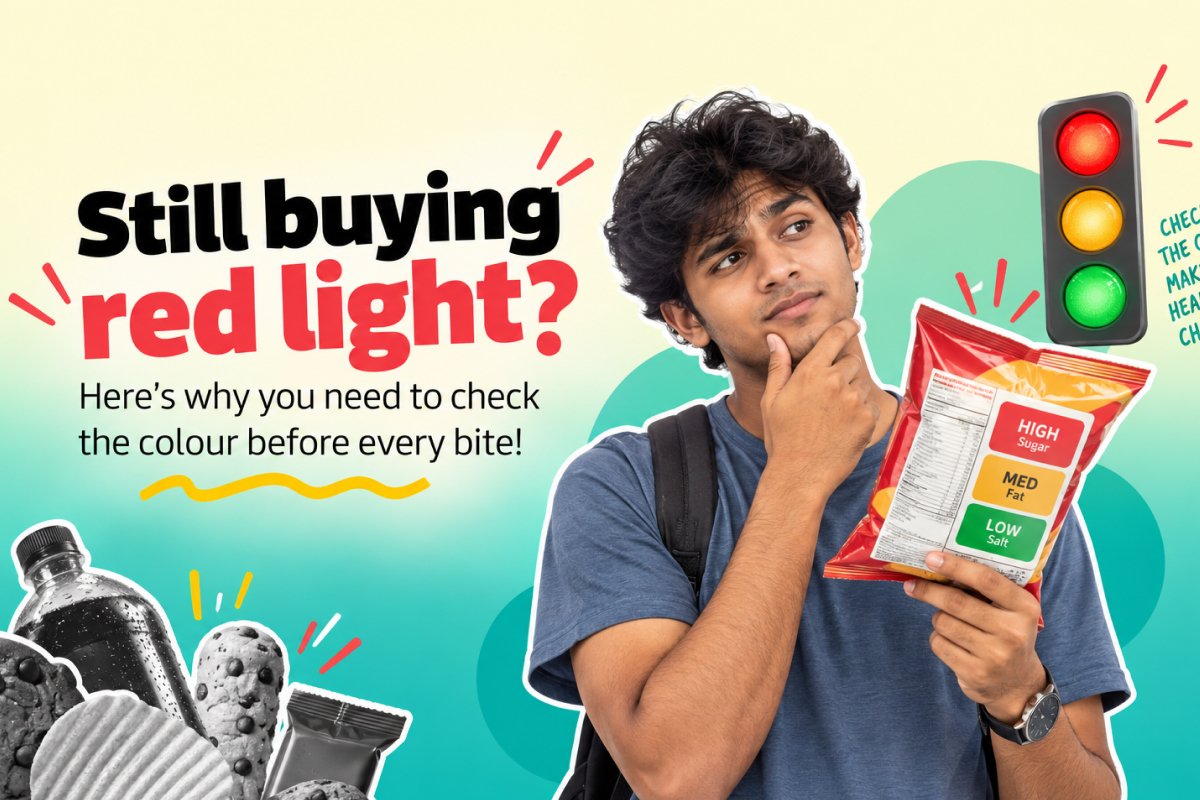
Importance of Good SleepTraffic Light
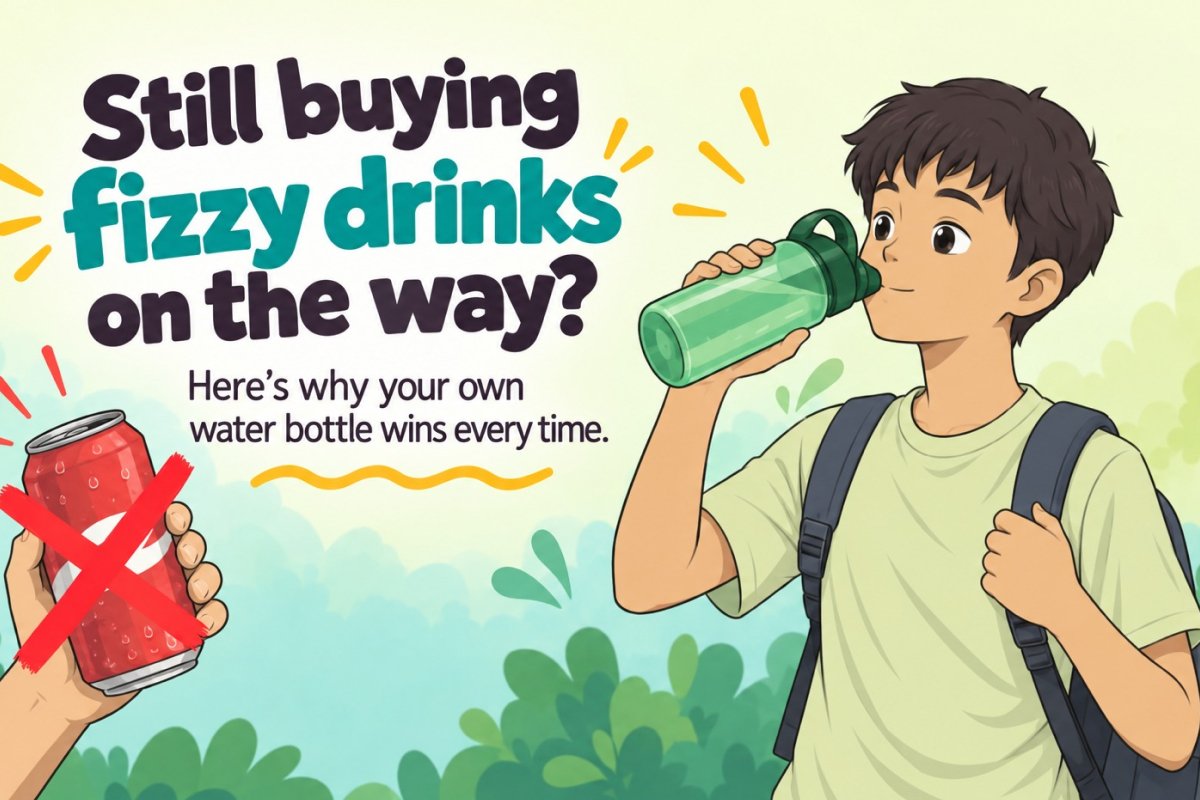
Traffic LightShehan’s Water Bottle
Shehan’s Water BottleYowun Piyasa (Youth Hub) is for you to get to know about your body, health and relationships.

Respect, consent, safe choices and sexual and reproductive health.
Relationships & Sexual HealthInformation for your age, for boys and for girls. Choose your age group to see what is normal, when to get help and what to do.


Puberty usually starts between the ages of 9 and 14. You grow taller quickly, your voice gets deeper and hair starts to grow on your face, under your arms and around your private parts. Your testicles and penis grow, and you may have wet dreams (releasing semen while asleep) - this is normal and healthy. Pimples, sweating and stronger feelings are common too. Everyone goes through these changes at their own pace.

Talk to a doctor if you see no signs of puberty by the age of 14, or if changes start before the age of 9. Also get help for swelling or a lump in the breast or testicles that does not go away, or for sadness, worry or anger that lasts for weeks and makes everyday life hard. Sudden, severe pain in a testicle is an emergency: go to the nearest hospital straight away.

Ask questions and learn from trustworthy sources. Talk to a parent, a teacher or another adult you trust, or visit the school medical officer, your nearest MOH office or a youth friendly health service - your questions will be treated with respect and in confidence. Wash daily, eat well, stay active, sleep enough and stay away from smoking, alcohol and drugs.
Mood swings, stress about exams and worries about how you look are common during adolescence. Talk about your feelings with someone you trust, get enough sleep and take breaks from screens. If you ever feel hopeless or think about hurting yourself, tell an adult you trust or a health worker right away.
Puberty usually starts between the ages of 8 and 13. Your breasts begin to develop, you grow taller, your hips widen and hair grows under your arms and around your private parts. A white discharge from the vagina is normal. Your first period usually comes between 10 and 16, about two years after your breasts start to grow. In the first years periods can be irregular - a cycle of 21 to 45 days is normal - and bleeding usually lasts 2 to 7 days.
See a doctor if your breasts have not started to develop by 13, if you have not had a period by 15, or if changes start before the age of 8. Also get help for very heavy bleeding (soaking a pad every one or two hours), periods lasting more than 7 days, pain that stops you from going to school, or bleeding with dizziness or tiredness. Periods that stop after being regular should also be checked.
Keep a note of your period dates. Use clean sanitary pads, change them every 4 to 6 hours and wash the area with clean water. Eat iron-rich food such as green leaves, pulses, fish and eggs. Talk to your mother, an adult you trust, the school medical officer or a youth friendly health service about any worry - there is nothing to be embarrassed about.
Mood swings, stress about exams and worries about how you look are common during adolescence. Talk about your feelings with someone you trust, get enough sleep and take breaks from screens. If you ever feel hopeless or think about hurting yourself, tell an adult you trust or a health worker right away.
Placeholder text: a healthy relationship is built on respect, trust and honest communication. Both people feel safe and free to say no. Content for this age group will be added by the Family Health Bureau.
Placeholder text: eat well, stay active, sleep enough and get regular health check-ups at a youth friendly health service. Content for this age group will be added by the Family Health Bureau.
Placeholder text: from 10 to 24 your body, feelings and relationships keep changing. Ask questions, learn from trustworthy sources and talk to an adult you trust. Content for this age group will be added by the Family Health Bureau.
Placeholder text: from 10 to 24 your body, feelings and relationships keep changing. Ask questions, learn from trustworthy sources and talk to an adult you trust. Content for this age group will be added by the Family Health Bureau.

Yowun Piyasa (Youth Hub) is for you to get to know about your body, health and relationships.
Yowun Piyasa (Youth Hub) is for you to get to know about your body, health and relationships.

Yowun Piyasa (Youth Hub) is for you to get to know about your body, health and relationships.
Go to FAQ
Reach to us by completing the form. Our team will get back to you promptly.
Yowun Piyasa (Youth Hub) is for you to get to know about your body, health and relationships.
No. 231,
De Saram Place, Colombo 01000.
Mon-Fri 8:30 AM - 4:15 PM
No. 37/27,
Bullers Lane, Colombo 07
Mon-Fri 8:30 AM - 4:15 PM
No. 12,
Hospital Road, Kandy 20000.
Mon-Fri 8:30 AM - 4:15 PM
Yowun Piyasa (Youth Hub) is for you to get to know about your body, health and relationships.